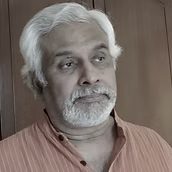
K. P. Mohanan
Morning Keynote - Processing South Asian Languages: Linguistic challenges
Co-founder, ThinQ; formerly UT Austin, MIT, Stanford, and NUS. Significant contributions to linguistic theory and inquiry-oriented education.
South Asia—comprising Afghanistan, Bangladesh, Bhutan, India, Maldives, Nepal, Pakistan, and Sri Lanka—is home to over two billion people and one of the richest linguistic regions in the world, with 700+ languages and ~25 major writing systems. Despite this richness, South Asian languages remain underrepresented in language technologies. Challenges persist across encoding and orthography, data scarcity, and cultural representation.
This symposium focuses on the challenges in processing South Asian languages, covering linguistic and cultural aspects, encoding/orthography, and resource constraints. We place a special emphasis on Tamil and Sinhala, two major languages of Sri Lanka with complex morphology, script-specific rules, and rich sociolinguistic variation.
Building on the success of CHiPSAL co-located with COLING 2025 and the upcoming second edition at LREC 2026, this symposium offers a forum to exchange challenges, insights, and solutions while promoting responsible and inclusive language technologies for South Asian languages.
This symposium will run alongside the major LFG conference, bringing together a vibrant international community of over 25 scholars and researchers from around the world.
Registration is open now. Please register using the form below.
Morning Keynote - Processing South Asian Languages: Linguistic challenges
Co-founder, ThinQ; formerly UT Austin, MIT, Stanford, and NUS. Significant contributions to linguistic theory and inquiry-oriented education.
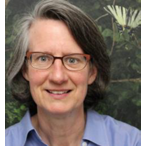
Afternoon Keynote - Processing South Asian Languages: Computational challenges
Senior Principal Scientist at Adobe Sensei and Search, with major contributions in computational linguistics, grammar engineering, and search technologies.
Processing South Asian Languages - Linguistic challenges
Keynote: K. P. Mohanan
Panel: Prof. Miriam Butt, Prof. Ashwini Vaidya, Dr. Ruvan Weerasinghe, Dr. K. P. Mohanan, Dr. Tafseer Ahmed Khan
Processing South Asian Languages - Computational challenges
Keynote: Tracy Holloway King
Panel: Prof. Gihan Dias, Prof. Annette Hautli-Janisz, Tracy Holloway King, Dr. Sana Shams
Unlike traditional paper sessions, CHiPSAL uses an interactive format designed to foster deep peer discussion and collaborative feedback. Selected abstracts are presented across two tracks below: Roundtable Sessions and a dedicated Poster Session.
Presenter outlines the research idea followed by a moderated discussion with audience & invited experts
Visual presentations, networking, technical deep-dives, and one-on-one engagement with international researchers
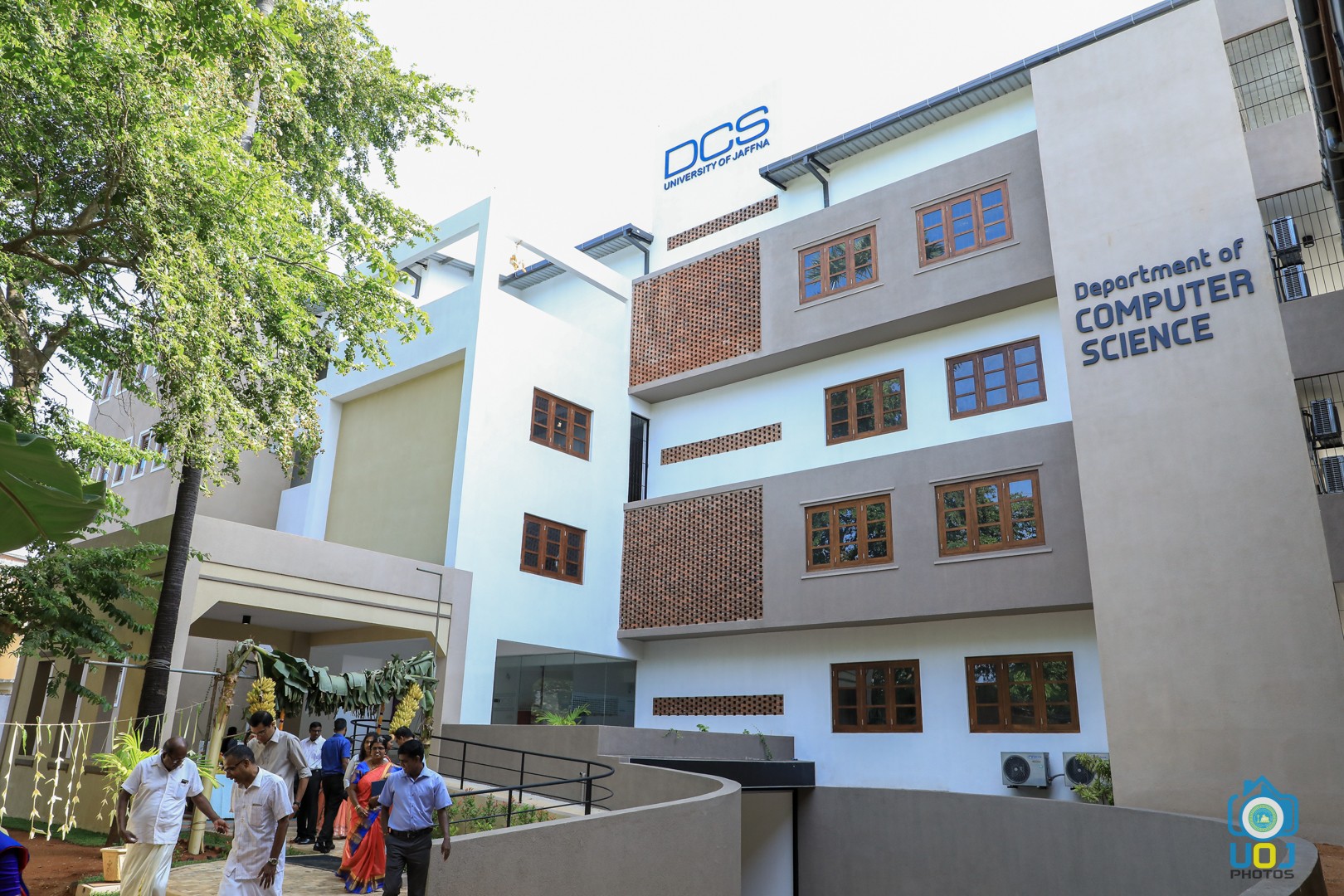
Department of Computer Science
University of Jaffna
Jaffna, Sri Lanka
We invite submissions of short synopses (maximum 500 words) describing a research idea relevant to the theme. Each synopsis should include:
Submission Open: 01 March 2026
Abstract Submission Deadline: 10 July 2026
Acceptance Notification: 20 July 2026
Symposium Date: 31 July 2026